

![12 Best Brand Tracking Tools for Brand and Consumer Insights [2026]](https://cdn.clickworker.com/wp-content/uploads/2026/06/woman_checking_brands-600x195.jpg)
When competition is fierce and consumer preferences shift quickly, monitoring your brand’s performance is essential. Brand tracking tools help you do this by providing continuous data on how well-known your brand is, how consumers perceive it, and where it stands in the market.
This ongoing process of brand monitoring and consumer tracking helps you respond quickly to stay ahead. By understanding how consumers behave and what they think, you can tailor your strategies to meet customer needs more effectively and keep your brand relevant over time. What are the best brand tracking tools in 2026? Here is a curated overview.
Table of Contents
Brand tracking is the continuous process of monitoring and analyzing key metrics to understand how your brand performs and how it is perceived over time. It gives you a constant view of how your target audience sees your brand, what they associate with it, and how those perceptions evolve.
📊 By regularly measuring brand data, you gain the insight needed to make informed decisions, improve your marketing strategies, and strengthen customer loyalty. Several core metrics are typically measured:
A brand tracking tool is a platform designed to collect and analyze data from multiple sources, including surveys, social media, online reviews, and other digital touchpoints. These tools employ algorithms to process large volumes of data and distill it into meaningful metrics such as brand recognition, customer loyalty, and sentiment analysis.
The results are presented in clear, actionable formats that let you track changes over time and respond proactively to emerging trends. Modern brand tracker platforms range from broad social listening suites to specialized survey-based research platforms that gather direct consumer feedback.
Collect direct consumer feedback for your brand research
clickworker gives you access to a global panel of over 10 million survey participants. Reach your exact target audience and get representative brand perception data quickly.
Find survey respondents for brand tracking
Brand loyalty is harder to secure and easier to lose than ever. Brand tracking software acts as a compass, helping you navigate customer expectations and market changes so your brand stays relevant, responsive, and resilient. Here are the main benefits:
Brand tracking tools empower you to navigate complex markets with confidence by providing real-time insights, analyzing competitors, assessing campaign success, and identifying future trends. This enables informed decisions that drive growth and strengthen consumer relationships over time.
In a rapidly changing consumer market, effective brand management depends on having access to robust brand tracking tools. Here is a curated list of 12 leading platforms for 2026, each offering unique capabilities to suit different business needs:
Overview: clickworker provides access to a global panel of over 10 million verified survey participants. Rather than relying on public data aggregation, clickworker enables brands to run direct surveys with precisely defined target groups, producing representative and nuanced consumer insights for brand tracking, perception studies, and competitive benchmarking.
Key Features:
Pricing: Flexible, based on study scope and number of participants. Custom quotes available.
Best suited for: Brands, market research institutes, and in-house research teams that need high-quality, directly collected consumer data for brand perception, tracking, and consumer insight studies.
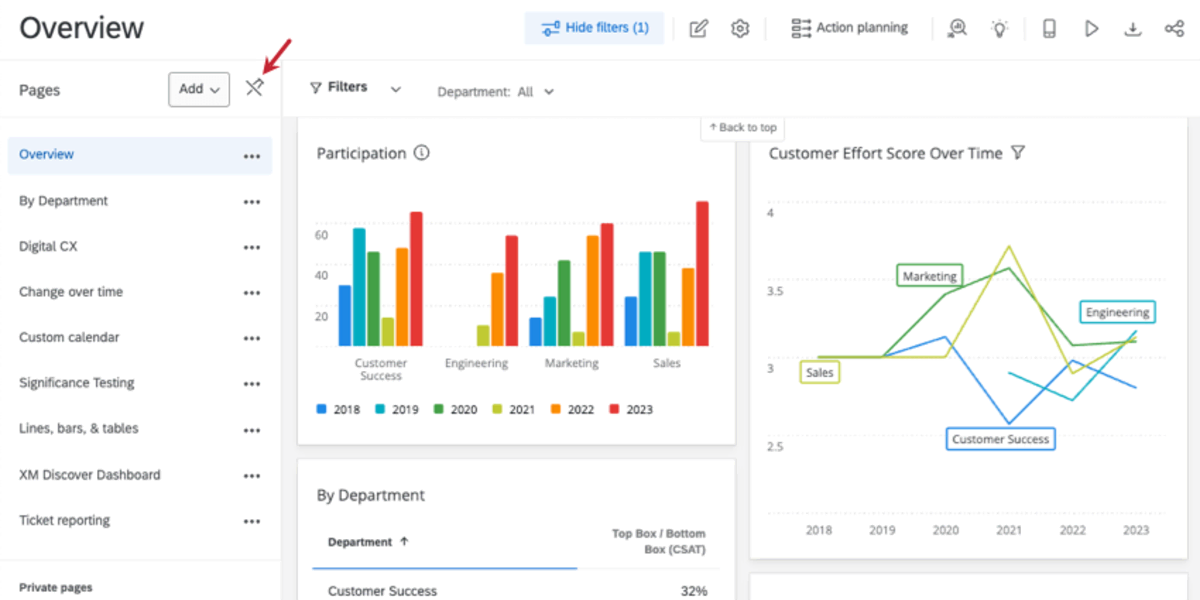
Overview: Qualtrics XM helps businesses identify customer issues and improve service, boosting customer lifetime value by enhancing processes, products, and digital properties. Its Frontline Digital product analyzes customer journeys to resolve friction points or guide users toward better experiences.
Key Features:
Pricing: Custom pricing based on specific needs.
Best suited for: Large enterprises focused on experience management and businesses aiming to deliver exceptional customer experiences at scale.
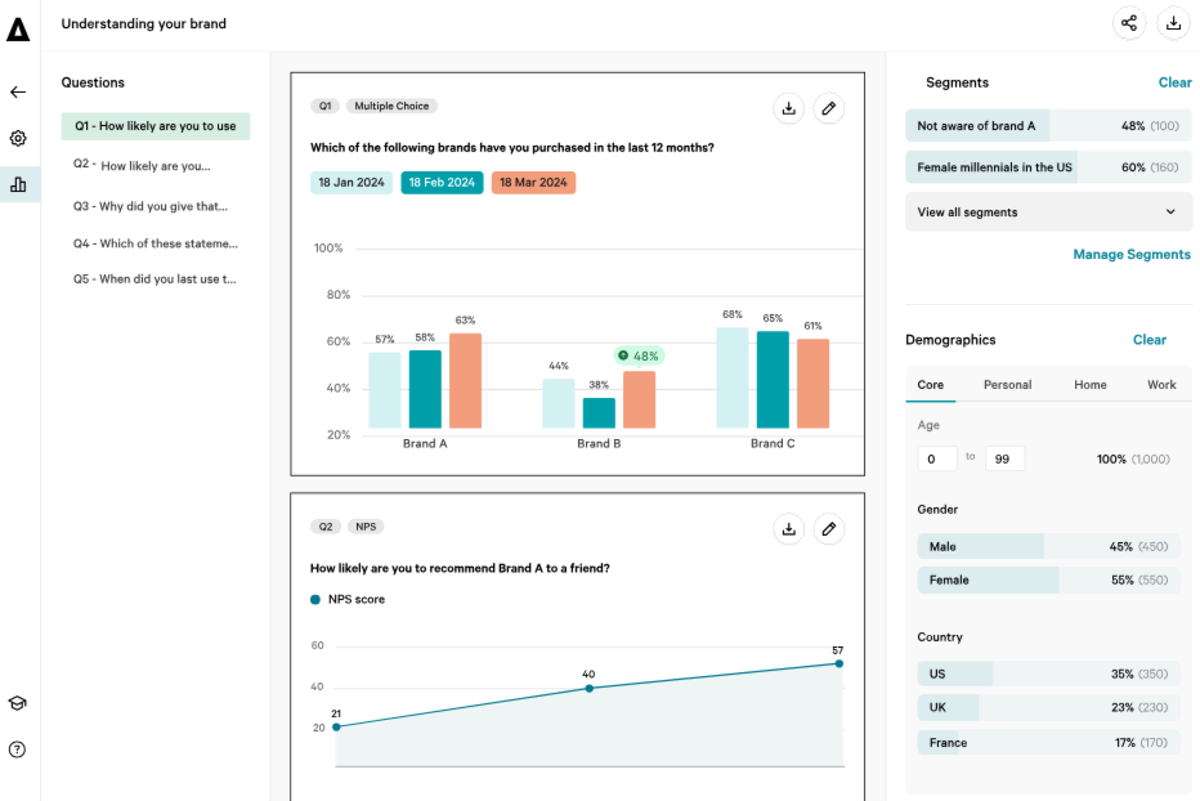
Overview: Attest specializes in consumer insights and market research, offering tools for brand tracking, consumer behavior analysis, and trend identification.
Key Features:
Pricing: Starting at $100.00 per month, with custom pricing options available.
Best suited for: Mid-sized businesses and enterprises seeking agile market research and consumer insights solutions.
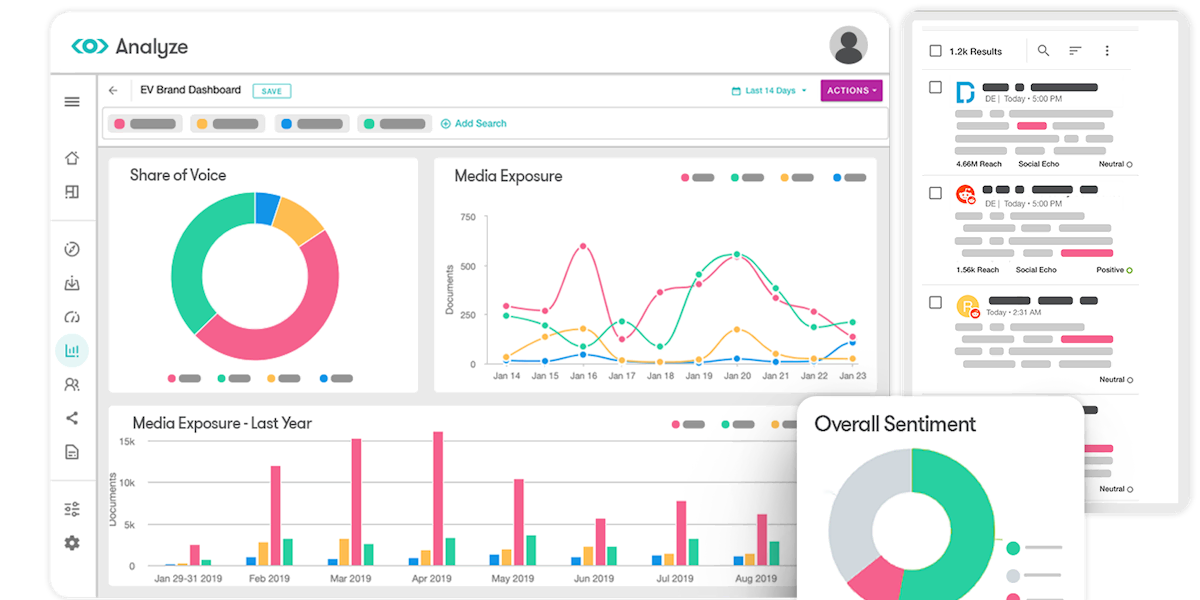
Overview: Meltwater Radarly is a consumer intelligence, social listening, and analytics platform. It helps businesses monitor brand mentions, sentiment, and competitive intelligence across digital channels.
Key Features:
Pricing: Starting at USD $5,000, with pricing customized based on usage scale.
Best suited for: Large enterprises and agencies looking for a SaaS solution for social media listening and digital marketing across all industries.
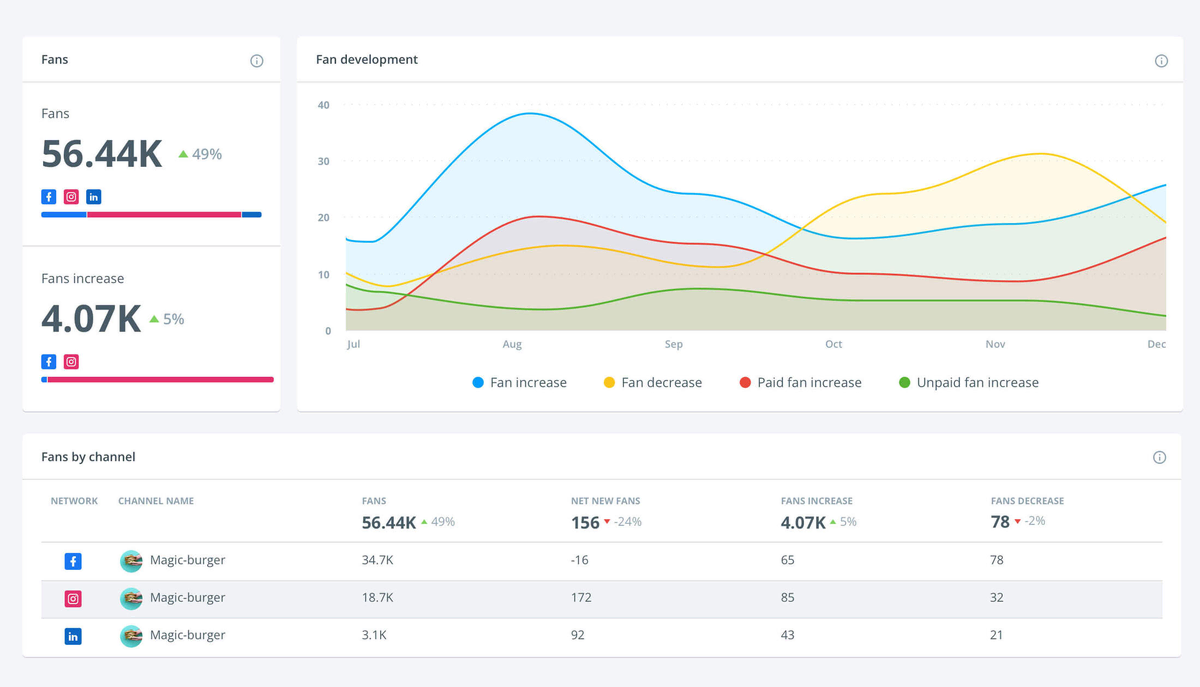
Overview: Brandwatch is a platform for social listening and provides insights into how people perceive brands and market trends.
Key Features:
Pricing: Custom pricing available upon request.
Best suited for: Enterprises and agencies, from SMEs to large organizations across all industries, focusing on social media analytics and consumer intelligence.
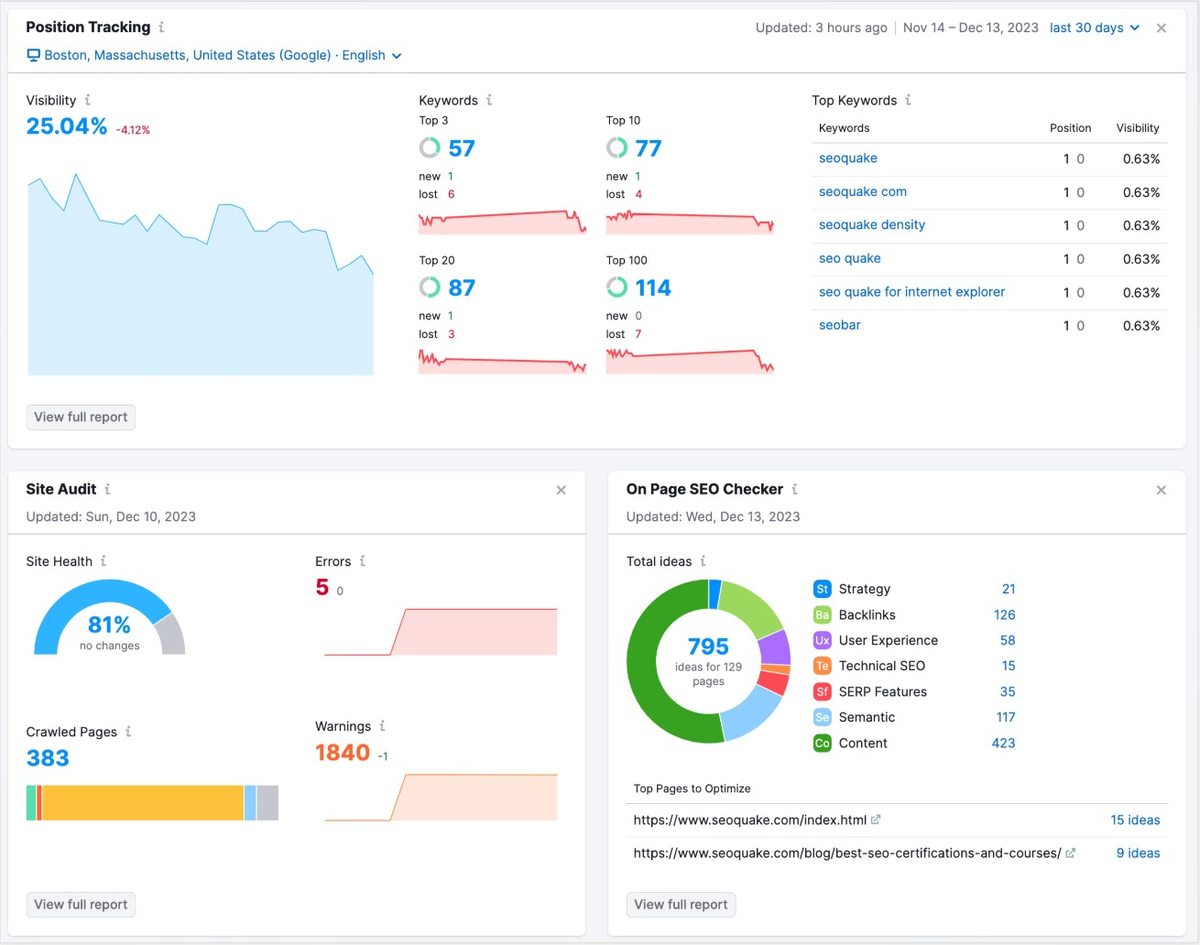
Overview: Semrush is primarily known for SEO and digital marketing analytics, but it also offers brand tracking features for monitoring online visibility and reputation.
Key Features:
Pricing: The Pro plan starts at $139.95 per month, the Guru plan at $249.95 per month, and the Business plan at $499.95 per month.
Best suited for: Marketing managers in small to medium-sized businesses seeking to enhance online presence, brand visibility, and engagement across key channels.
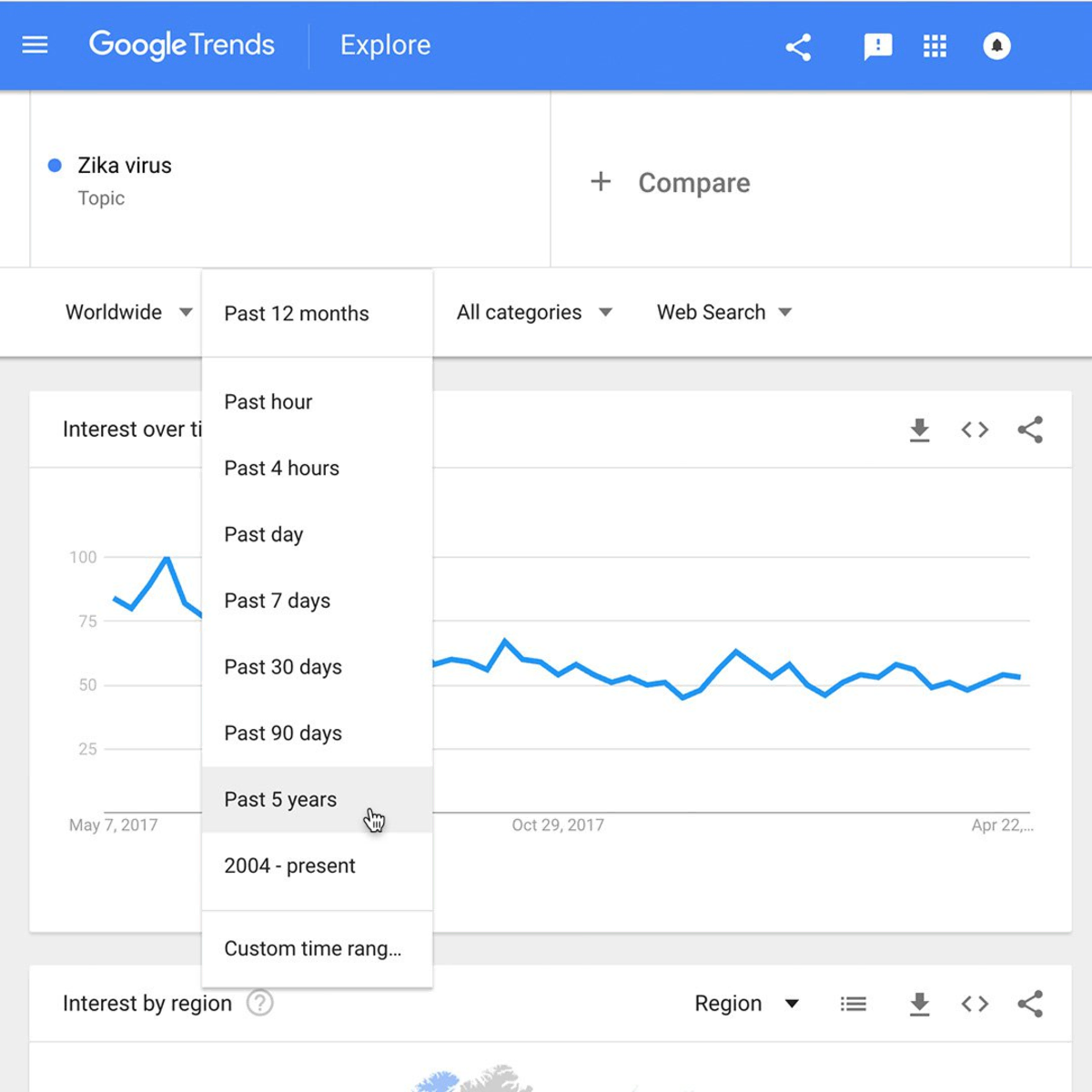
Overview: Google Trends provides insights into search behavior and trending topics, helping businesses understand consumer interests and market trends in real time.
Key Features:
Pricing: Free to use.
Best suited for: Small businesses and marketers seeking free, accessible insights into search trends and consumer interests.
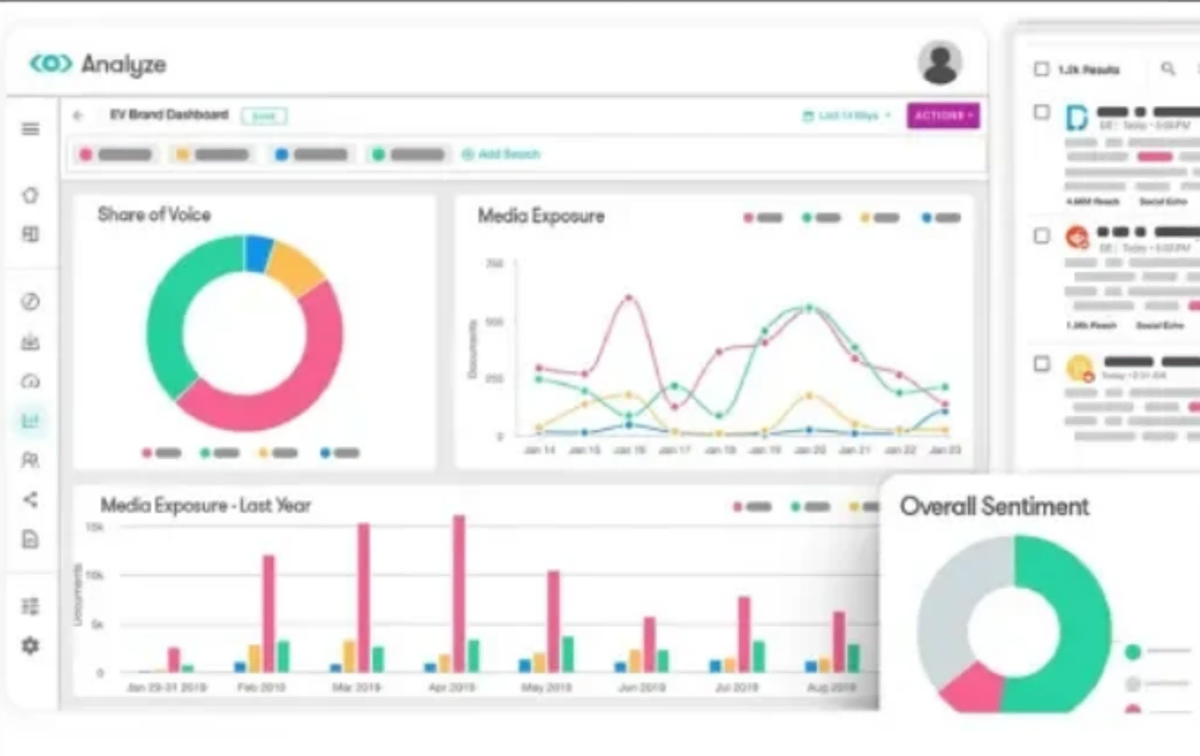
Overview: YouGov is a platform specialized in market research, online surveys, and opinion polling. It provides tools for gathering and analyzing data to understand public opinion and consumer behavior across demographics and regions.
Key Features:
Pricing: Depends on survey complexity and audience size. Pricing typically ranges from $0.50 to $1.00 per survey completion.
Best suited for: Enterprises and agencies needing reliable public opinion data and brand tracking insights from diverse audience segments.
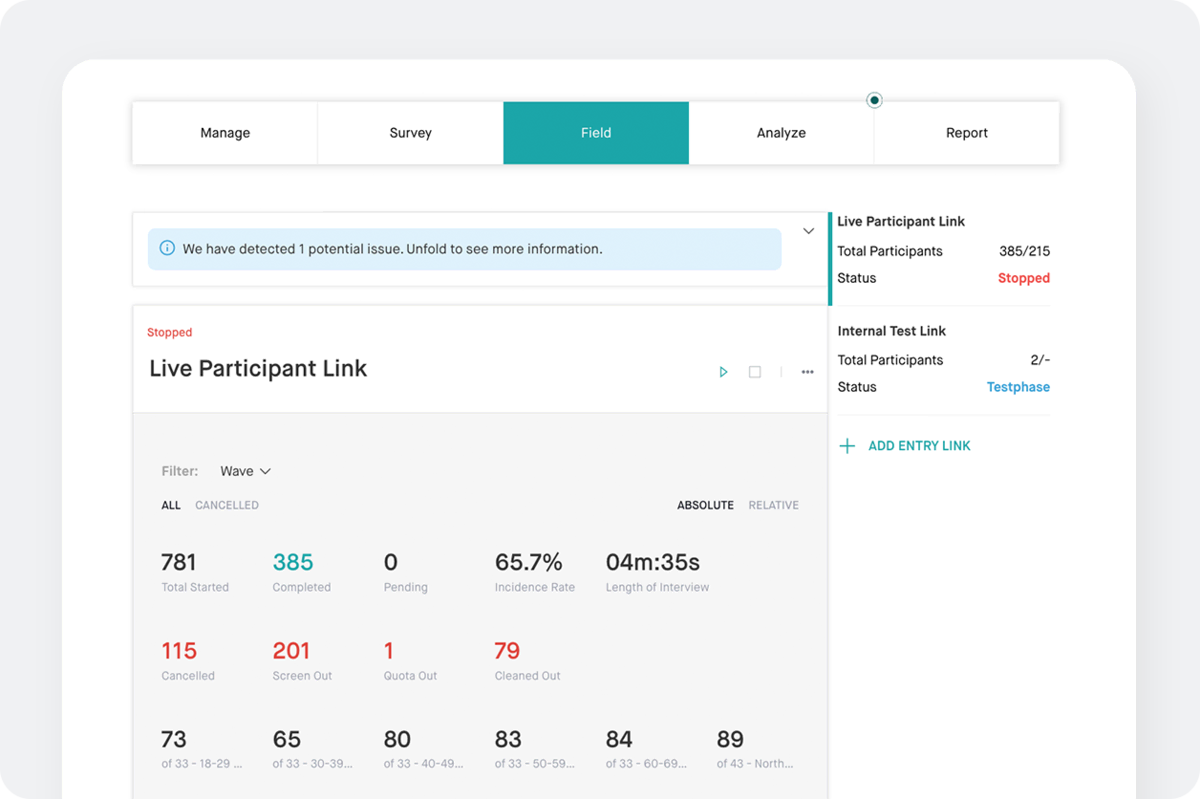
Overview: Quantilope provides agile market research solutions, including brand tracking, consumer insights, and automated reporting powered by AI-assisted analytics.
Key Features:
Pricing: Custom pricing based on specific research needs.
Best suited for: Mid-sized businesses and enterprises looking for flexible and efficient market research tools for brand tracking, demand scoring, and idea screening.
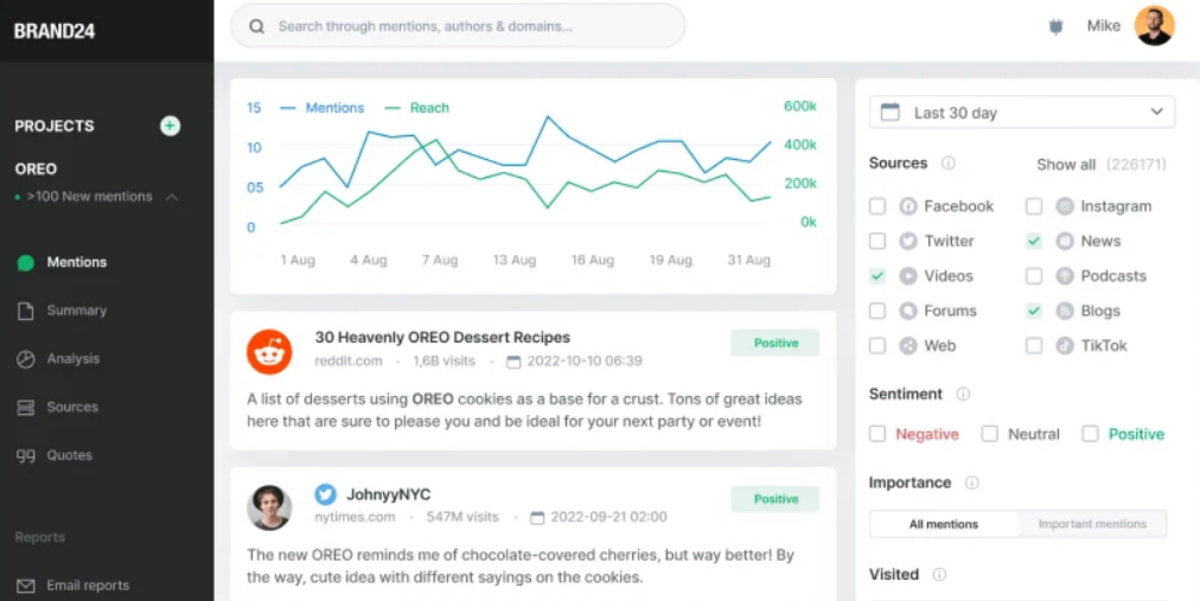
Overview: Brand24 offers social media monitoring and brand tracking tools to analyze online mentions, sentiment, and customer feedback across digital channels.
Key Features:
Pricing: Individual plan starts at $79/month; Team plan at $149/month; Pro at $199/month; Enterprise at $399/month.
Best suited for: Companies of all sizes seeking media monitoring tools to stay informed about campaigns, customer interactions, and online reputation.
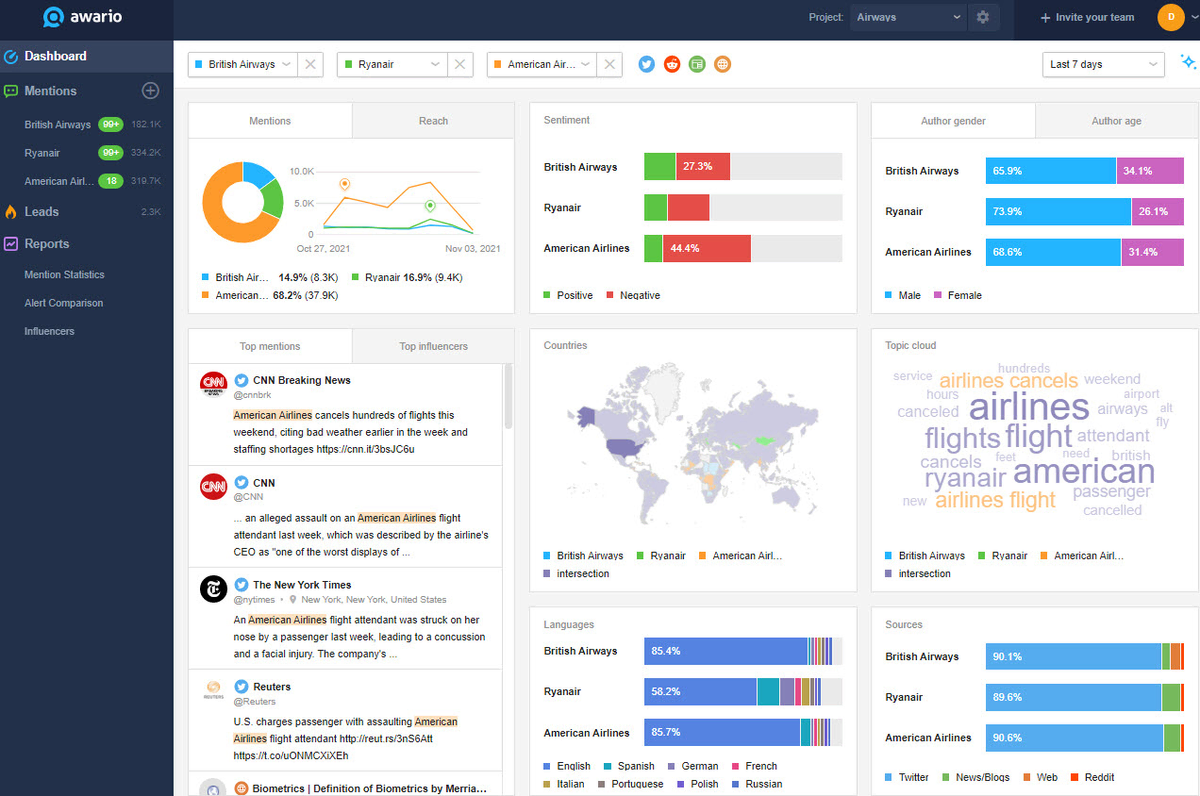
Overview: Awario is a brand management and social media monitoring tool that tracks brand mentions across various platforms, providing insights into brand sentiment and online reputation.
Key Features:
Pricing: Starter plan at €29 per month; Pro at €89 per month; Enterprise at €249 per month.
Best suited for: Small to medium-sized businesses and agencies aiming to track brand mentions, monitor competitors, and identify sales opportunities.
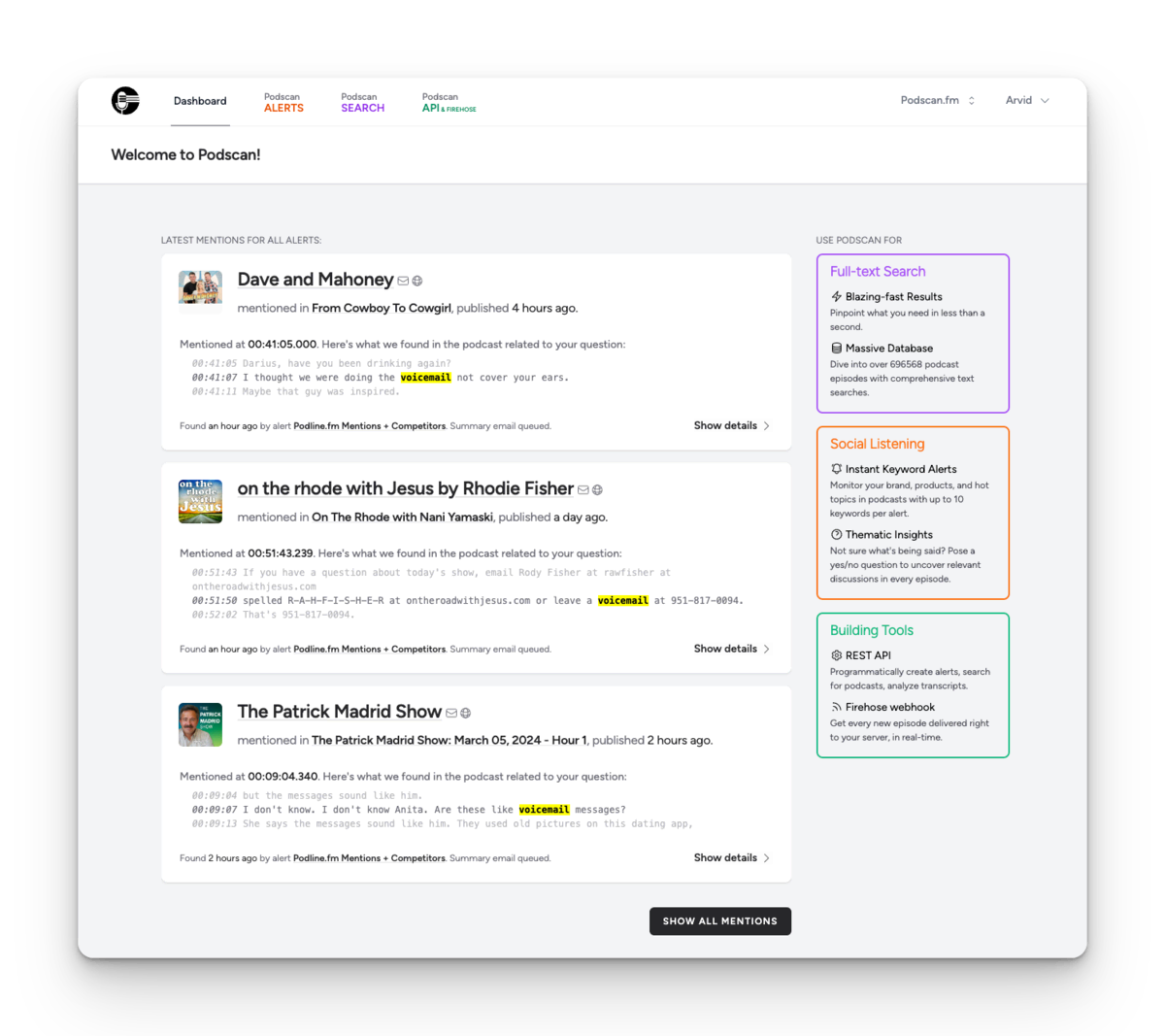
Overview: Podscan specializes in podcast analytics, providing insights into audience demographics, listener engagement, and brand mentions within podcasts. As podcasts continue to grow as a brand touchpoint in 2026, this niche becomes increasingly relevant for brand tracking.
Key Features:
Pricing: Essential plan at $39/month; Premium at $79/month; Enterprise at $499/month.
Best suited for: Agencies and marketers seeking to monitor brand mentions in podcasts, discover engagement opportunities, and conduct audio-channel market research.
Selecting the right brand tracking tool depends on your business needs, budget, and the depth of insights you require. With many options available, each promising to reveal consumer opinions and market trends, it helps to have a clear framework for evaluation.
The following factors will guide you toward the tool that fits your specific situation best:
Before committing to a brand tracking tool, work through these questions to ensure a good fit:
Effective brand tracking requires strategic intent and continuous observation of market trends, not just the right tools. Here are the most important practices to follow:
By following these best practices, you can leverage brand tracking to drive strategic decisions, foster growth, and stay competitive. Consistent, methodical tracking strengthens your brand’s position for long-term success.
Brand tracking has become a strategic necessity. Whether you use social listening platforms, survey-based research panels, or all-in-one analytics suites depends on your goals, budget, and the type of data you need. The tools listed here cover a wide range of approaches, from free options like Google Trends to enterprise-grade platforms like Qualtrics and Meltwater Radarly.
One key trend in 2026 is the growing recognition that inferred data from public sources is not enough. Brands that want to understand why consumers perceive them a certain way need direct feedback from real, targeted participants. Survey-based tools complement social listening by providing the depth and specificity that aggregated data cannot.
The key takeaways at a glance:
Collect representative brand data with clickworker
Access over 10 million verified survey participants worldwide. Define your target audience precisely and gather direct consumer feedback for your brand tracking studies.
Recruit survey participants for brand research
Brand tracking is the continuous monitoring of key brand metrics such as awareness, perception, loyalty, and purchase intent. It is important because it gives businesses an ongoing view of how consumers perceive their brand, enabling them to respond quickly to market changes, measure campaign effectiveness, and make data-driven strategic decisions.
Social listening analyzes publicly available data, such as mentions, comments, and reviews, to infer consumer sentiment. Survey-based brand tracking gathers direct feedback from targeted respondents, allowing you to ask specific questions and obtain more nuanced, representative data. The most comprehensive approach combines both methods.
Brand tracking should be conducted continuously or at regular intervals, depending on your goals and budget. For fast-moving markets or during active campaigns, real-time or weekly monitoring is recommended. At a minimum, quarterly brand studies help identify shifts in perception and market position over time.
Core metrics include brand awareness (aided and unaided recall), brand associations, purchase intent, customer satisfaction, and net promoter score (NPS). Competitive benchmarking data, sentiment scores, and trend comparisons over time are also valuable additions for a comprehensive brand tracking study.
A good survey panel for brand tracking should be large enough to support precise demographic targeting, verified to ensure participant quality, and globally accessible for international studies. clickworker provides access to over 10 million verified participants across more than 90 countries, with quality controls including attention checks and participant verification.
Brand tracking tools measure how marketing campaigns affect consumer perception, not just reach and engagement metrics. By tracking brand awareness, sentiment, and purchase intent before, during, and after a campaign, marketers can see whether their messaging is shifting consumer attitudes in the intended direction and optimize their strategies accordingly.


