


Effective easter social media ideas have long evolved beyond simple bunny pictures and generic discount codes. After Christmas, Easter is one of the highest-revenue seasonal events in retail—in the U.S. alone, consumer spending for the holiday consistently reaches record levels, often exceeding $23,6 billion. At the same time, the way consumers discover and purchase products has fundamentally changed: Inspiration, product search, and the final buying decision are increasingly happening directly on social media.
Platforms like Instagram, TikTok, and Pinterest no longer function just as communication channels; they serve as search engines, digital storefronts, and sales floors all in one. The younger demographic, in particular, actively uses these platforms to research products. To stand out, brands need a sophisticated strategy that blends Social SEO, authentic storytelling, and data-driven campaigns to bring their easter social media post ideas to life.
There is also a new challenge to consider: in 2026, social feeds are flooded with generic, AI-generated content. Users have become highly sensitive to interchangeable holiday greetings and “cookie-cutter” promotions. Successful brands are therefore pivoting toward creative campaigns, interactive formats, and high-quality content that offers genuine value.
In this article, you will discover which easter social media ideas actually deliver results in 2026. We’ll show you how to boost reach and engagement, and how to strategically convert seasonal campaigns into revenue—using data-driven optimization and sustainable, effective easter social media post ideas.
In 2026, easter social media ideas are no longer just a “nice-to-have”; they are a strategic cornerstone of seasonal revenue planning. Brands that view Easter merely as a short-term discount opportunity are missing out on massive potential throughout the entire customer journey.
Today, the path from inspiration and product search to the final purchase increasingly takes place within social platforms. As a result, successful companies use Easter specifically for brand positioning, community building, and conversion optimization.
After the winter holidays, Easter is one of the most important seasonal consumer events of the year. Millions of consumers invest in food, gifts, home decor, and travel. For eCommerce businesses, this translates to:
Brands that establish a presence early with relevant content don’t just benefit from short-term sales—they gain long-term visibility.
Social media platforms have long evolved beyond simple communication channels. They function as search engines, sources of inspiration, and direct sales channels. Users discover products via Reels, Stories, or short-form videos—often without ever leaving the platform.
This fundamentally changes the requirements for your easter social media post ideas:
Companies that strategically plan their easter social media ideas combine creative content with meticulously maintained product data and clear conversion paths.
Easter carries powerful emotional themes: new beginnings, family, community, and the arrival of spring. These psychological triggers make the holiday perfect for storytelling campaigns.
Brands can leverage these themes to:
In an environment increasingly saturated with interchangeable AI-generated content, authentic, human stories are becoming more valuable than ever.
In 2026, the lines between brick-and-mortar retail, online shops, and social media are blurring. Successful Easter campaigns therefore integrate:
A consistent message across all channels increases brand recognition, trust, and ultimately, your conversion rate.
Implementing successful easter social media ideas in 2026 requires a deep understanding of platform mechanics, user behavior, and algorithmic shifts. Today, reach doesn’t happen by accident—it is the result of strategic optimization, data-driven planning, and high-quality content.
The following trends are the primary factors in determining which Easter campaigns gain visibility—and which vanish into the feed.
Social media platforms are increasingly evolving into search engines. Younger audiences, in particular, use TikTok or Instagram to search for product inspiration, gift ideas, or DIY tutorials.
For your easter social media ideas, this means:
Companies should identify seasonal search terms early and align their content planning accordingly—ideally several weeks before Easter begins.
Algorithms prioritize content that generates genuine interaction. At the same time, users are increasingly sensitive to overproduced or generic content. Authentic, “unfiltered” videos often perform better than perfectly staged commercials.
Successful approaches include:
Especially during Easter—a holiday centered on emotion—real stories feel more credible than pure product advertising.
Generative AI allows companies to produce content faster and at scale. However, the surge in automated content is leading to feed saturation. Users are becoming better at spotting interchangeable content and are reacting with lower engagement.
Successful brands are therefore focusing on:
The combination of technology and human optimization ensures that your easter social media post ideas are not just produced quickly, but also perceived as high-quality.
Watch time, comments, and shares are critical signals for social media algorithms. Interactive formats significantly boost these metrics.
For Easter, effective formats include:
Gamified content doesn’t just increase reach; it strengthens the emotional connection to the brand.
The vast majority of Easter inspiration happens on mobile devices. Load times, clear Calls-to-Action (CTAs), and optimized landing pages determine whether social media traffic turns into actual conversions.
Key success factors:
Easter social media ideas only reach their full potential when content, data quality, and user experience work together seamlessly.
In 2026, creative easter social media ideas work best when they blend emotion, interaction, and clear conversion goals. Instead of posting isolated updates, brands should think in terms of full campaigns—featuring a consistent theme, a compelling story, and measurable objectives.
The following overview highlights proven formats and their strategic benefits:
| Campaign Idea | Objective | Platform | Strategic Value |
|---|---|---|---|
| Easter Countdown with daily mini-deals | Retention & Recurring Visits | Instagram Stories, TikTok | Positive algorithm signals through daily interaction |
| Digital Easter Egg Hunt with promo codes | Engagement & Lead Generation | Social + Website | Increased dwell time & conversion push |
| Community Challenge (#MyEasterStyle) | User-Generated Content | Instagram, TikTok | Organic reach via shares |
| Limited Easter Edition with countdown timer | Scarcity & Impulse Buys | Reels + Shop | Boosts conversions via the FOMO effect |
| Behind-the-Scenes “Spring Awakening” | Brand Loyalty & Authenticity | Reels, LinkedIn | Trust building & brand positioning |
Campaigns that tell a story rather than just displaying products are particularly successful. Easter provides the perfect backdrop for narratives centered on new beginnings, family, or the fresh vibes of spring.
One prime example of creative brand integration is IKEA with its annual “Flatpack Bunny” kit—a DIY Easter bunny idea that aligns perfectly with the brand’s DNA and consistently generates high engagement rates.

A standout Easter promotion was the Deliveroo campaign that utilized “Game of Thrones” puns (#EasterIsComing) to achieve massive organic reach. The success wasn’t just about the discount—it was about the creative context.

International brands demonstrate how diverse easter social media post ideas can be—ranging from technological innovation to CSR-focused initiatives.
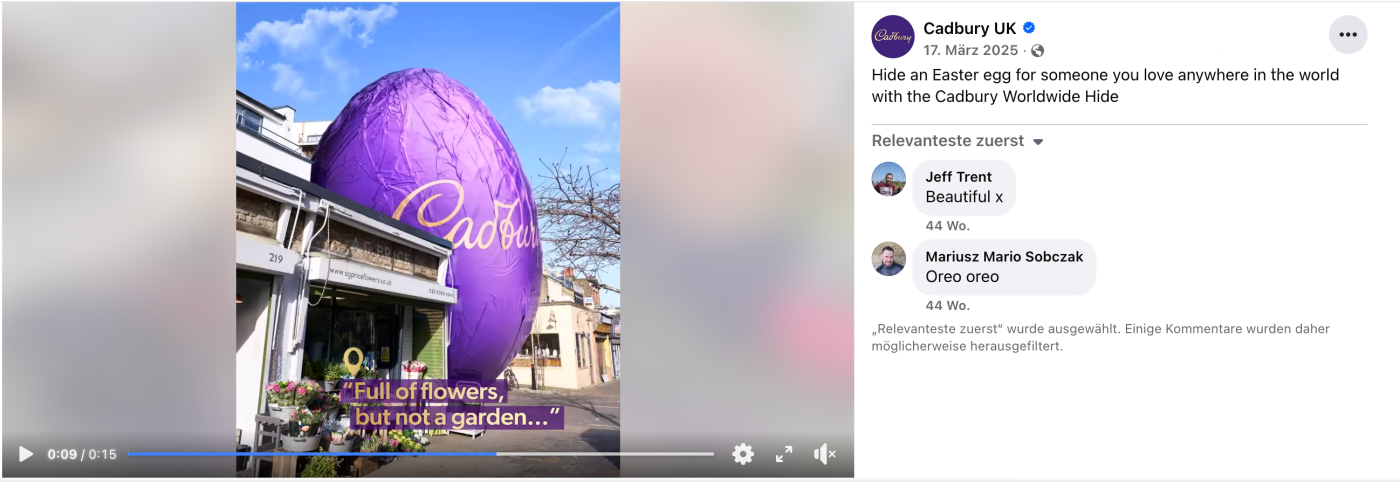
Cadbury blended tradition with technology: Using Google Maps, users could hide virtual Easter eggs in locations meaningful to them. This emotional connection between digital interaction and real-world relationships strengthened brand loyalty significantly.
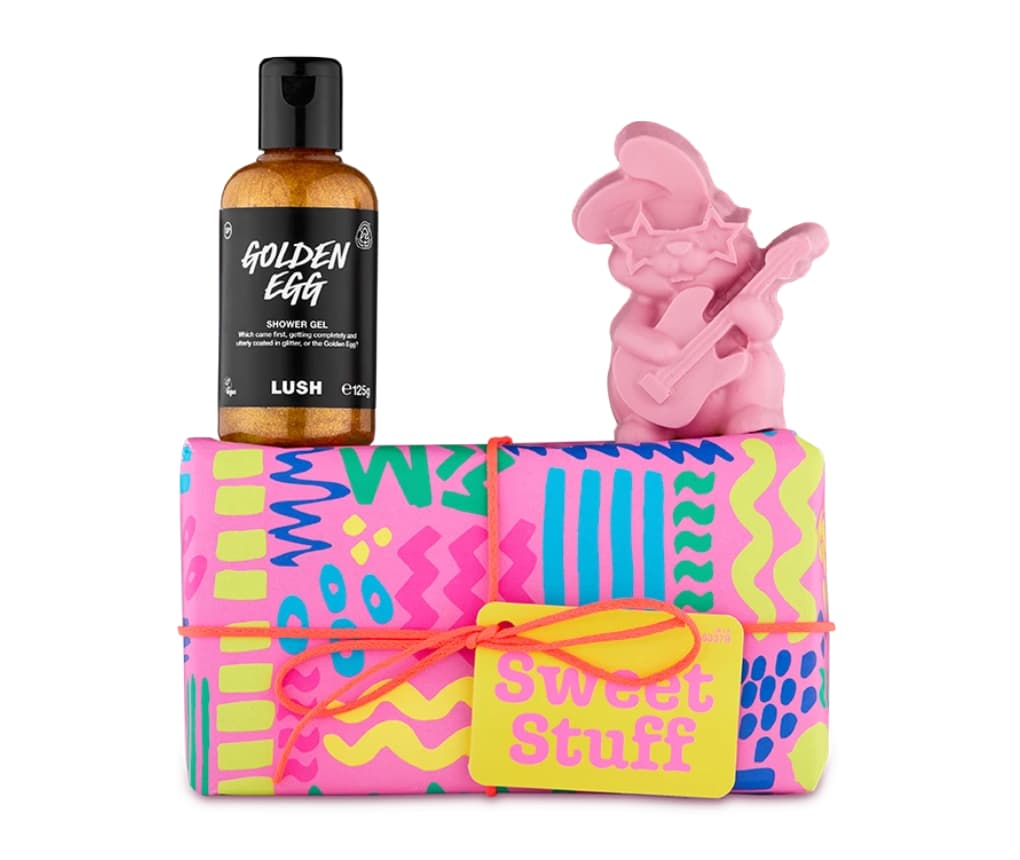
Lush positions its Easter products as sustainable bath-and-body alternatives to candy. Their visually striking Reels featuring egg- or carrot-shaped bath bombs achieve high engagement rates on Instagram and TikTok.
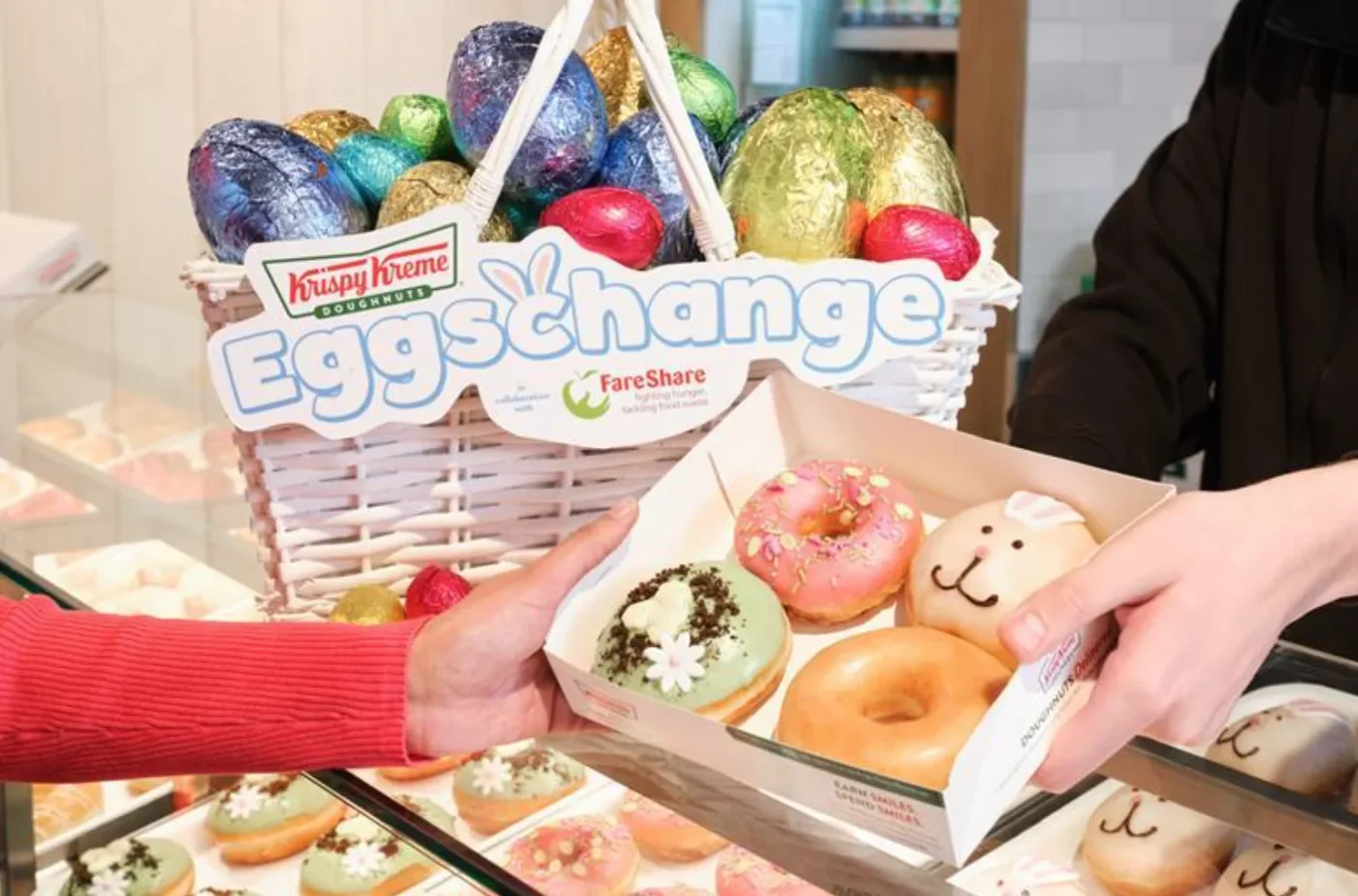
In their CSR-oriented “Eggschange” campaign, customers could swap unopened chocolate eggs for donuts. Partnering with a charity generated positive PR and drove increased foot traffic to their stores.
Traditional product posts are losing their impact. Successful easter social media post ideas integrate products naturally into story formats:
The key here is the combination of emotional context and a clear Call-to-Action.
The most successful brands don’t wait until Good Friday to start their Easter communication. A structured content plan might look like this:
This creates a campaign logic that builds visibility, drives engagement, and systematically boosts revenue.
Pro-Tip for Your Easter Campaign:
Creative social media posts work best when the accompanying blog posts or landing pages are perfectly optimized. To achieve higher organic reach during the holidays, you can use clickworker to hire professional SEO content writers who tailor your messaging to your target audience and seasonal search terms.
Request Seasonal SEO Content
In 2026, gamification is one of the most powerful levers for reach and engagement. Social media algorithms treat dwell time, interactions, and repeat profile visits as strong relevance signals. Interactive Easter campaigns trigger exactly these effects—blending pure entertainment with conversion goals.
Instead of static Easter posts, successful brands are turning to playful mechanics that actively involve users and motivate them to participate.
The classic Easter egg hunt translates perfectly into the digital space. Users search social media profiles, Stories, or landing pages for hidden clues or promo codes.
The strategic advantage: multiple profile visits, higher Story completion rates, and targeted lead generation.
Challenges are among the most effective formats for boosting organic reach. Easter offers plenty of opportunities for creative community involvement:
Success lies in clear mechanics: simple participation rules, a set timeframe, jury or community voting, and prizes that are attractive yet credible.
Stories offer numerous tools for “micro-gamification”:
These formats drive direct interaction—a key ranking signal for platform algorithms.
Tip for Optimized Marketing Decisions:
Before rolling out your final Easter campaign, it pays to see it through the eyes of your consumers. Test your ad creatives, packaging designs, or campaign concepts beforehand with the clickworker crowd. Through targeted surveys on consumer preferences, you get fast feedback from a neutral audience, ensuring your message truly resonates this Easter.
Start Market Research & Surveys
Augmented Reality (AR) filters allow for playful brand integration. A virtual Easter bunny filter or a digital egg hunt in the user’s own living room can generate high share rates.
Particularly effective are filters that:
This creates a self-reinforcing effect: every shared filter expands your organic reach.
Interactive Easter campaigns should be as measurable as they are creative. Key metrics include:
Companies that systematically analyze these data points can refine their easter social media ideas year after year based on hard data rather than just gut feeling.
By 2026, sustainability is no longer just a branding “add-on”—it is a core purchasing criterion. An increasing number of consumers consciously consider ecological aspects in their buying decisions, especially during seasonal occasions like Easter.
For businesses, this means that your easter social media ideas should not only be emotional and creative but also convey authentic sustainable values. Brands that communicate transparently in this area boost trust, brand affinity, and long-term loyalty.
Easter symbolically represents new beginnings, spring, and nature. These themes provide a natural bridge to sustainable brand communication.
Brands that present these aspects transparently differentiate themselves in an increasingly saturated social media environment.
Social media users are highly sensitive to superficial sustainability promises. Credibility is built through concrete facts and verifiable insights.
Successful approaches in Easter marketing include:
Instead of making vague statements like “We are sustainable,” companies should communicate measurable actions.
Sustainability can be effectively combined with interactive campaigns. Examples include:
Such initiatives combine engagement with purpose—a critical factor for younger demographics.
Instead of purely promotional product posts, brands can provide genuine value:
This type of content doesn’t just boost reach through Social SEO; it positions your brand as a conscious industry leader.
Even sustainability-focused Easter campaigns should be measurable. Relevant metrics include:
Companies that strategically integrate sustainability into their easter social media ideas don’t just generate short-term sales—they strengthen their brand’s credibility and long-term standing.
Easter social media ideas only reach their full potential when they are specifically designed for conversion. In 2026, simply presenting products is no longer enough—they must be embedded in relevant contexts, discoverable through search optimization, and technically integrated with precision.
Social Commerce has become an integral part of the customer journey. Inspiration, product comparison, and the final purchase are increasingly happening within a single platform—creating a seamless shopping experience.
Static product images are losing reach. Successful Easter campaigns naturally integrate products into story formats:
Context is king: Users are much more likely to buy when they see a product in a real-life scenario rather than in an isolated studio setup.
Easter is a time-sensitive event. This momentum can be used strategically to drive sales:
These mechanics trigger the FOMO (Fear Of Missing Out) effect and significantly increase the likelihood of conversion.
In 2026, product promotion only works if it can be found. Social SEO plays a central role here:
The more precisely your product information is maintained, the higher the chance of visibility—even within AI-powered recommendation systems.
Live formats combine entertainment with instant purchasing power. These are especially effective for Easter:
Live events build trust, reduce barriers to purchase, and increase overall closing rates.
Tip for Brick-and-Mortar Retailers:
Are you promoting your in-store Easter deals on social media? Ensure that your on-site displays and offers are perfectly positioned. With a professional Store Check, you can receive real-time photos and feedback directly from the sales floor sent straight to your desk.
Check Your POS Presence
Behind every successful Easter campaign lies meticulous product data management. Incomplete or inconsistent product info leads to abandoned carts.
Critical factors include:
Companies that pair social media campaigns with optimized product data and clear conversion paths achieve significantly higher revenue—especially during seasonal peaks like Easter.
Successful easter social media ideas aren’t born from luck. They are based on clearly defined goals, structured processes, and measurable metrics. Brands that strategically plan their seasonal campaigns can systematically increase reach, engagement, and revenue rather than just hoping for short-term spikes.
The following best practices will help you implement data-driven and sustainably effective Easter campaigns.
Before any content is produced, the primary goal should be established. Typical objectives include:
Each goal requires a different content strategy and specific KPIs.
To make the success of your easter social media post ideas measurable, analyze the following metrics regularly:
Seasonal campaigns are perfect for structured testing. For example:
Even small optimizations can lead to a significant boost in your conversion rate.
In an environment increasingly saturated with AI-generated content, quality becomes a key differentiator. High-quality, structured, and audience-relevant content doesn’t just drive engagement; it also has a positive impact on Social SEO.
Best practices include:
An Easter campaign shouldn’t end on Easter Sunday. The analysis provides valuable insights for upcoming seasonal peaks like Mother’s Day, Summer Sales, or the Winter Holidays.
A structured report should include:
Companies that systematically analyze and optimize their easter social media ideas build a scalable foundation for long-term growth.
In 2026, easter social media idea are much more than just seasonal decorations for your feed. They are a strategic lever for expanding reach, fostering community loyalty, and driving revenue growth. Brands that take a holistic approach to Easter—integrating everything from Social SEO and gamification to sustainable brand communication—don’t just create short-term spikes; they build long-term competitive advantages.
Successful Easter campaigns effectively combine:
At the same time, quality is becoming the ultimate differentiator. In a digital landscape increasingly dominated by automated content, authentic, well-thought-out, and audience-centric content is more valuable than ever.
Companies that plan their easter social media ideas early, structure their campaigns effectively, and systematically analyze performance can successfully convert seasonal demand into measurable revenue while strengthening their brand for the long haul.
Now is the time to develop your Easter strategy—make it data-driven, creative, and scalable.
In 2026, interactive and search-optimized formats perform best. This includes digital Easter egg hunts, community challenges, Story quizzes, limited Easter editions with countdown timers, and authentic behind-the-scenes videos. The key is a combination of Social SEO, emotional storytelling, and a clear conversion strategy.
You can boost reach by using search-optimized captions (Social SEO), relevant keywords, high interaction rates, and consistent Story elements. Gamification mechanics like polls, quiz stickers, or hashtag challenges are particularly effective. Additionally, content should be mobile-optimized and visually striking to increase dwell time.
Successful Easter product promotion integrates items into Story formats rather than static ad posts. Live shopping events, recipe or tutorial videos with product tags, and limited-edition Easter releases drive higher conversion rates. Furthermore, structured product data, clear Calls-to-Action, and mobile-optimized landing pages are critical.
Ideally, planning should begin 6–8 weeks before Easter. Your social media communication should launch at least 3–4 weeks in advance to build visibility. A campaign structure featuring a teaser phase, an interaction phase, and an offer phase ensures consistent reach and rising conversion rates.
The most important metrics include engagement rate, dwell time, click-through rate (CTR), conversion rate, and cost-per-conversion. For interactive campaigns, you should also analyze Story completion rates and participation numbers. A structured analysis allows you to optimize future seasonal campaigns based on data.


