

Market Research for Startups – Successful Market Entry through Insights

Startups are dynamic and full of potential, yet they simultaneously face intense competition. Comprehensive market research is crucial for establishing success. In this blog post, we highlight why market research for startups is essential. We will demonstrate how targeted market research can minimize risks and maximize opportunities. The goal is to make the right decisions based on data and facts specifically tailored to the needs and challenges of young companies. Discover how your startup can benefit from precise and effective market research methods.
Read moreSkip Logic in Surveys: How Branching Logic Improves Data

A well-structured survey is the key to meaningful results. However, not every question is relevant to all participants. Without proper flow control, surveys can quickly become too long and confusing—leading to dropouts or inaccurate responses.
This is where Skip Logic / Branching Logic comes into play. It dynamically adjusts the survey flow based on participants’ answers, ensuring that only relevant questions are displayed. This makes surveys more efficient and engaging. But how exactly does it work? What types of Branching Logic exist, and how can they be used effectively?
In this article, you will learn how to use simple and advanced branching techniques to streamline your survey. We will also show you how to implement intelligent skip logic with the clickworker survey tool to collect high-quality data.
Read moreProduct Feedback Strategies: Enhancing Customer Experience and Business Growth

Product feedback serves as the heartbeat of consumer-centric businesses. It gives companies a clear insight into what their customers truly desire. This continuous loop of information between users and product teams is the cornerstone of improvement and innovation.
By capturing and analyzing customer feedback, you can understand the nuances of customer satisfaction and the impact of your product on people’s daily lives. Engaging with your customers not only builds trust but also invites valuable perspectives. These perspectives can propel your product development, ensuring that the product evolves in alignment with user needs and expectations.
The integration of this feedback into your development cycle enables a dynamic and responsive approach to product strategy.
Through various feedback collection methods such as surveys, reviews, user testing, and direct communication, businesses gather immense data that, when analyzed effectively, can lead to informed decision-making.
Employing tools that provide multimodal affect analysis can reveal the depth of customer emotions and experiences Multimodal affect analysis for product feedback assessment.
Moreover, deciphering the significance of product reviews in a market of repeat purchase products plays a telling role in the competitive landscape Product reviews and competition in markets for repeat purchase products.
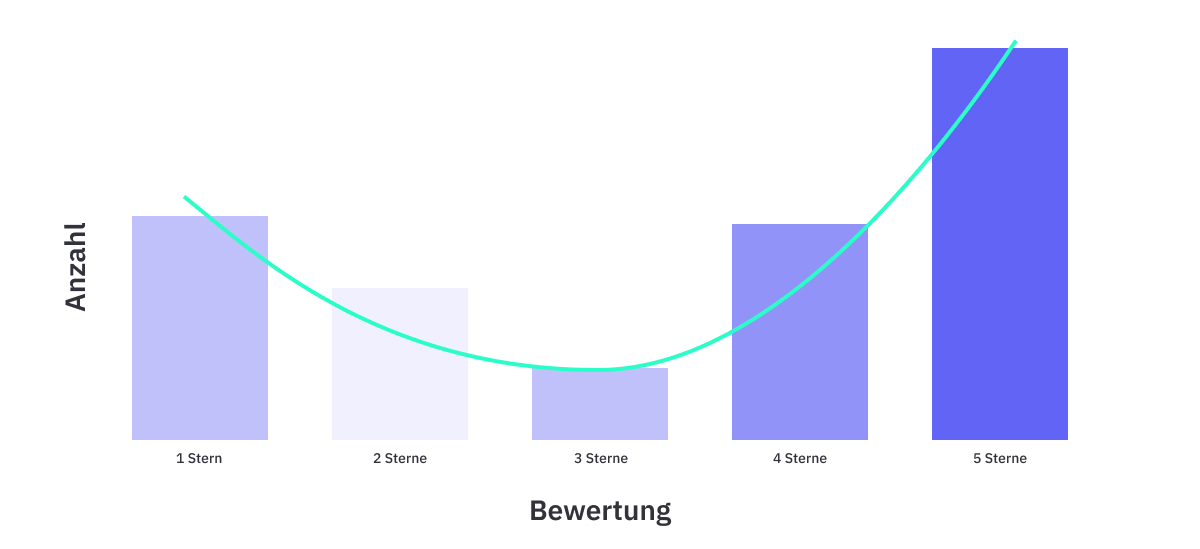
The blend of technology and strategic feedback management can help overcome common challenges such as skewed distributions of feedback and unlock a treasure trove of insights to fuel growth Overcoming the J-shaped distribution of product reviews.
Inclusion in Market Research – Its Importance and How to Get There

In today’s dynamic and diverse global marketplace, businesses must recognize the importance of inclusion in market research to remain competitive and cater to the needs of their target audience. Inclusive market research not only involves creating an environment where participants from various backgrounds feel valued and engaged but also ensures that diverse perspectives are considered, leading to richer insights and more effective decision-making.
This article explores the benefits of inclusive market research, the challenges organizations may face in implementing it, and practical steps to achieve a more inclusive research approach. By understanding and addressing these challenges, businesses can develop tailored products and services, enhance customer satisfaction, drive innovation, and ultimately achieve long-term success in an increasingly interconnected world.
Read moreLeading Questions in Surveys: Examples, Risks, and Better Alternatives

Surveys are a proven method for capturing opinions, feedback, and trends. However, their validity heavily depends on how questions are phrased. Even small changes in wording can influence participants’ responses; often unconsciously.
Leading questions are a common source of error. They steer respondents in a specific direction instead of allowing them space for honest answers. This creates skewed results that paint a false picture of actual opinions or needs. The consequences can be far-reaching, especially when companies make important decisions based on such survey data.
But how do you recognize leading questions? How do they differ from neutral questions? And how can you avoid them? This article provides answers and demonstrates through practical examples what matters in objective survey design.
Read moreEthnographic research through online surveys: A deeper understanding of your customers

Understanding customer behavior requires more than just collecting numbers and data. Often, the motivations behind consumer decisions remain hidden when relying solely on quantitative methods. This is where ethnographic research comes in. It aims to capture the deeper cultural, emotional, and social factors that shape human behavior.
Thanks to digital advancements, ethnographic research is no longer limited to physical fieldwork. Through online surveys, companies can apply ethnographic methods to gain detailed insights into their customers’ world. These surveys go beyond simple yes/no questions and offer participants the opportunity to reflect on their personal experiences and decisions. This allows companies to gain a deeper, more authentic understanding of their target audience.
With the right questions and scenarios, ethnographic online surveys can reveal the “why” behind consumer behavior and help businesses make informed, customer-centric decisions.
Read moreThe Top UX Design Trends 2026

In the field of UX design trends (user experience trends), change is constant. Every year, new trends emerge that shape the industry to provide users with a more intuitive and engaging experience. For businesses and designers, it is essential not only to observe these developments but also to understand and strategically apply them.
Why? Because UX design is not just about aesthetics — it significantly impacts how users interact with digital products and, ultimately, how successful they are. Online surveys play a central role in gathering user feedback and making informed decisions. In this blog post, we explore the most important UX design trends of 2026, explain how surveys can support implementation, and highlight the challenges these trends may bring.
Read moreFeature Testing Essentials for Robust Software Development

Feature testing is a critical component of developing high-quality software that meets user expectations and needs. It involves verifying that individual features function as intended, providing an early look at potential issues before they reach the end user.
Insightful feature testing simplifies the debugging process, ensures a more stable product, and ultimately enhances user satisfaction. Together with a robust quality assurance strategy, feature testing is an essential step toward aligning software products with their design specifications and intended use cases.
The art of feature testing spans several stages, beginning with meticulous planning and extending through to the deployment of software. It encompasses a variety of methodologies from automated testing to exploratory approaches. Understanding the nuances of each testing methodology allows you to tailor your testing strategy to the specific needs of the software, ensuring a thorough evaluation of each feature.
By emphasizing user experience throughout the testing process, you are more likely to achieve a finished product that resonates well with its audience and stands strong in a competitive marketplace.
Read moreUser Satisfaction: Key Strategies for Improving Customer Experience

User satisfaction refers to the degree to which users feel that a product or service has met or exceeded their expectations. It is a critical component of user experience (UX) and can significantly influence customer loyalty and product success.
Measuring this satisfaction typically involves various methodologies, ranging from surveys and feedback forms to usage and behavior analytics. Understanding and improving user satisfaction is not a one-time exercise but an ongoing process that shapes every aspect of product and service design.
Read moreDelphi Surveys: How Expert Panels Can Predict the Future

How can we make reliable predictions when limited data is available or when developments are hard to grasp? This is where Delphi surveys come in — a method based on the combined knowledge of experts to gain well-founded insights into future trends and developments. Through multi-stage surveys and anonymous feedback, the Delphi method enables a deeper analysis of complex issues. But how does this method work, and why is it particularly valuable for strategic decision-making?
Read more

